Essential First Aid Skills: Your Toolkit for Saving Lives
Essential First Aid Skills: Your Toolkit for Saving Lives
Most emergencies happen without warning—and when seconds count, your actions can save a life. Many people don’t realize how few first aid skills they actually know until a crisis hits. In this post, you’ll learn the essential first aid skills everyone should have in their toolkit to boost emergency preparedness and protect your community. Ready to take control? Enroll in Coastal Ga. CPR training and turn knowledge into lifesaving action.
Understanding First Aid Skills

When an emergency strikes, having the right skills can make all the difference. Let’s dive into some basic yet crucial first aid skills everyone should know.
Basic Wound Care
Injuries can happen anywhere, at any time. Knowing how to treat a wound properly can prevent infection and speed up healing. Start by cleaning the wound with clean water. Avoid using harsh chemicals like hydrogen peroxide that can harm skin tissue. After cleaning, apply an antibiotic ointment and cover with a sterile bandage. This simple step can significantly reduce the risk of complications.
It’s also essential to watch for signs of infection. Redness, swelling, or pus can indicate that a wound needs medical attention. Don’t hesitate to seek help if you notice these symptoms. For more detailed guidance, check out this comprehensive guide on basic first aid skills.
Handling Burns and Scalds
Burns are common, and knowing how to respond can minimize damage. First, cool the burn under cool running water for at least ten minutes. This helps to stop the burning process and reduce pain. Avoid ice as it can cause further injury. After cooling, cover the burn with a sterile dressing or clean cloth to protect it.
It’s important to avoid breaking blisters, as this can lead to infection. If a burn is larger than your palm or shows signs of infection, it’s time to visit a healthcare professional. Here’s a useful resource for further reading on handling burns.
Mastering CPR Techniques

Knowing how to perform CPR can turn you into a lifesaver. Every second counts, and your actions can double or even triple a person’s chance of survival.
Steps to Perform CPR
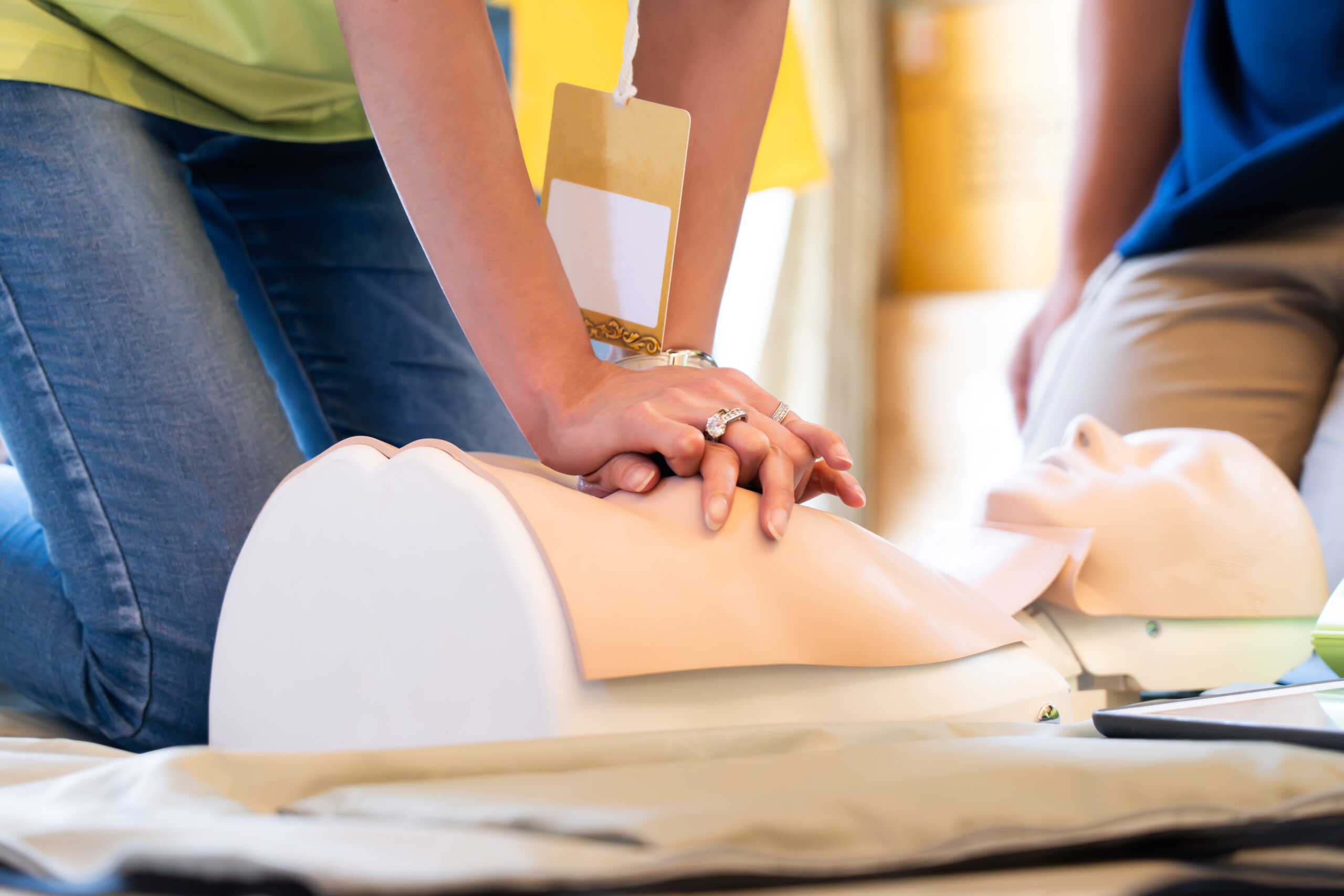
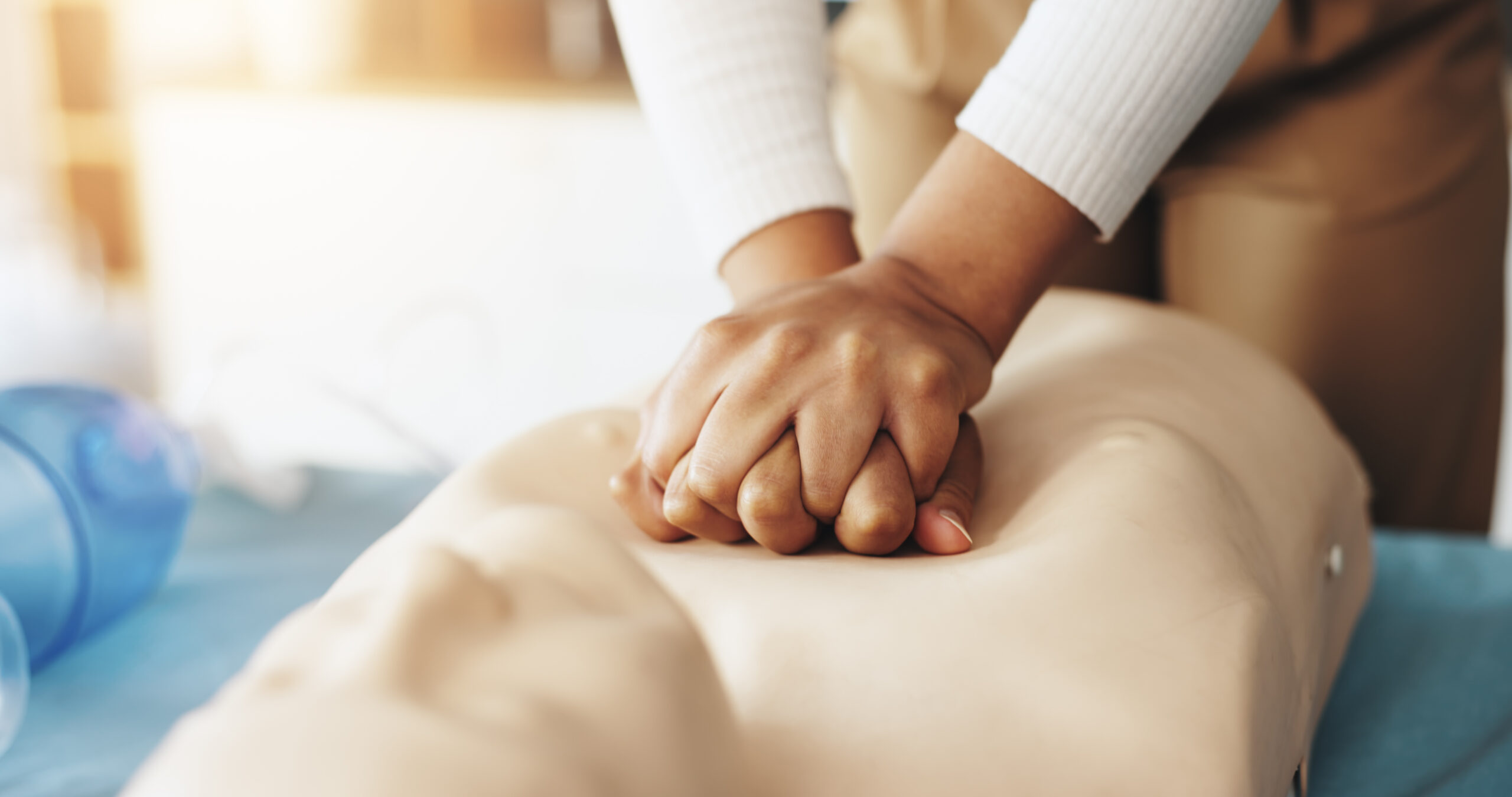
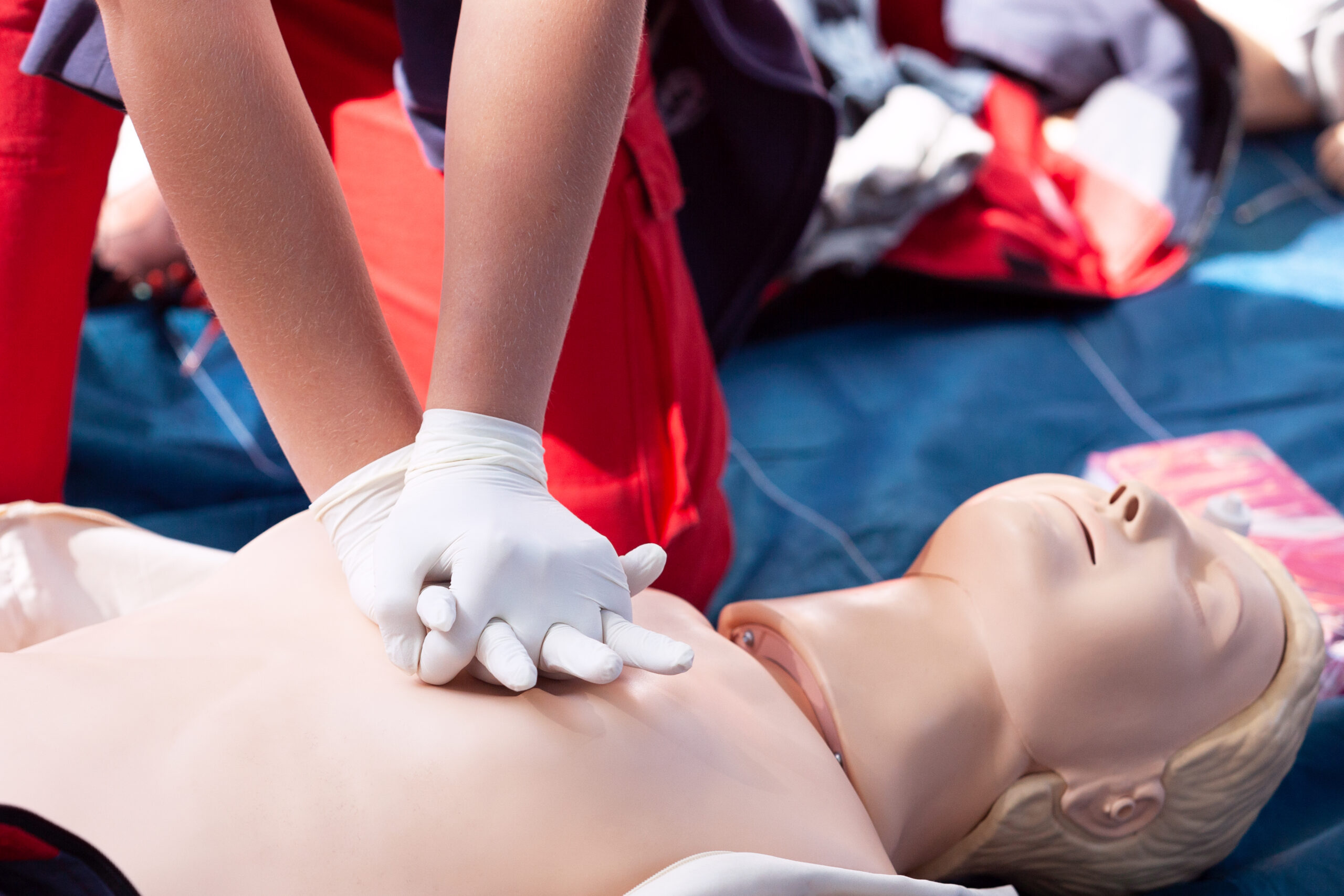
Performing CPR might seem daunting, but breaking it down into simple steps can help. First, check the person’s responsiveness and breathing. If unresponsive and not breathing, call emergency services immediately. Start CPR with chest compressions—place your hands on the center of the chest and push hard and fast, around 100-120 compressions per minute.
After 30 compressions, give two rescue breaths if trained to do so. Continue this cycle until help arrives or the person shows signs of life. This step-by-step guide provides more detail on proper CPR techniques.
Recognizing Cardiac Arrest
Recognizing the signs of cardiac arrest can save precious time. The key indicators include sudden collapse, loss of responsiveness, and no normal breathing. Acting quickly is crucial. Bystanders often hesitate, thinking someone else will step in, but your actions are vital. Remember, doing something is always better than doing nothing. To understand more about recognizing these signs, visit this helpful page.
Building Your Emergency Preparedness

Being prepared for an emergency is not just about knowing what to do—it’s about having the right tools and mindset.
Creating a First Aid Kit
A well-stocked first aid kit is your first line of defense. Include basics like bandages, antiseptic wipes, tweezers, and a CPR face shield. Customize your kit based on your family’s needs, such as adding medications or allergy treatments. Regularly check and restock your kit to ensure it’s always ready for use.
Having a first aid kit is about peace of mind. You’re not just prepared for your family but can assist others in need. For a detailed list of essentials, refer to this first aid resource.
Staying Calm in Emergencies
Staying calm can be your greatest asset in an emergency. Panic can lead to poor decisions, so take a deep breath and focus on the steps needed. Remember, your calm demeanor can reassure those around you and help you think more clearly.
Practice makes perfect. Regularly review your first aid skills and run through emergency scenarios in your mind. When the time comes, you’ll be ready to act with confidence.
🌟
Understanding these skills empowers you to act decisively in emergencies. By preparing yourself, you’re not only protecting your loved ones but also contributing to community safety. The knowledge you gain today could save a life tomorrow.